
Exploring Hamilton’s Waterfront: A Rich Diversity of Waterfowl and Shared Learning
Photos courtesy of Andrew Bailey and Marilyn Baxter
Introduction
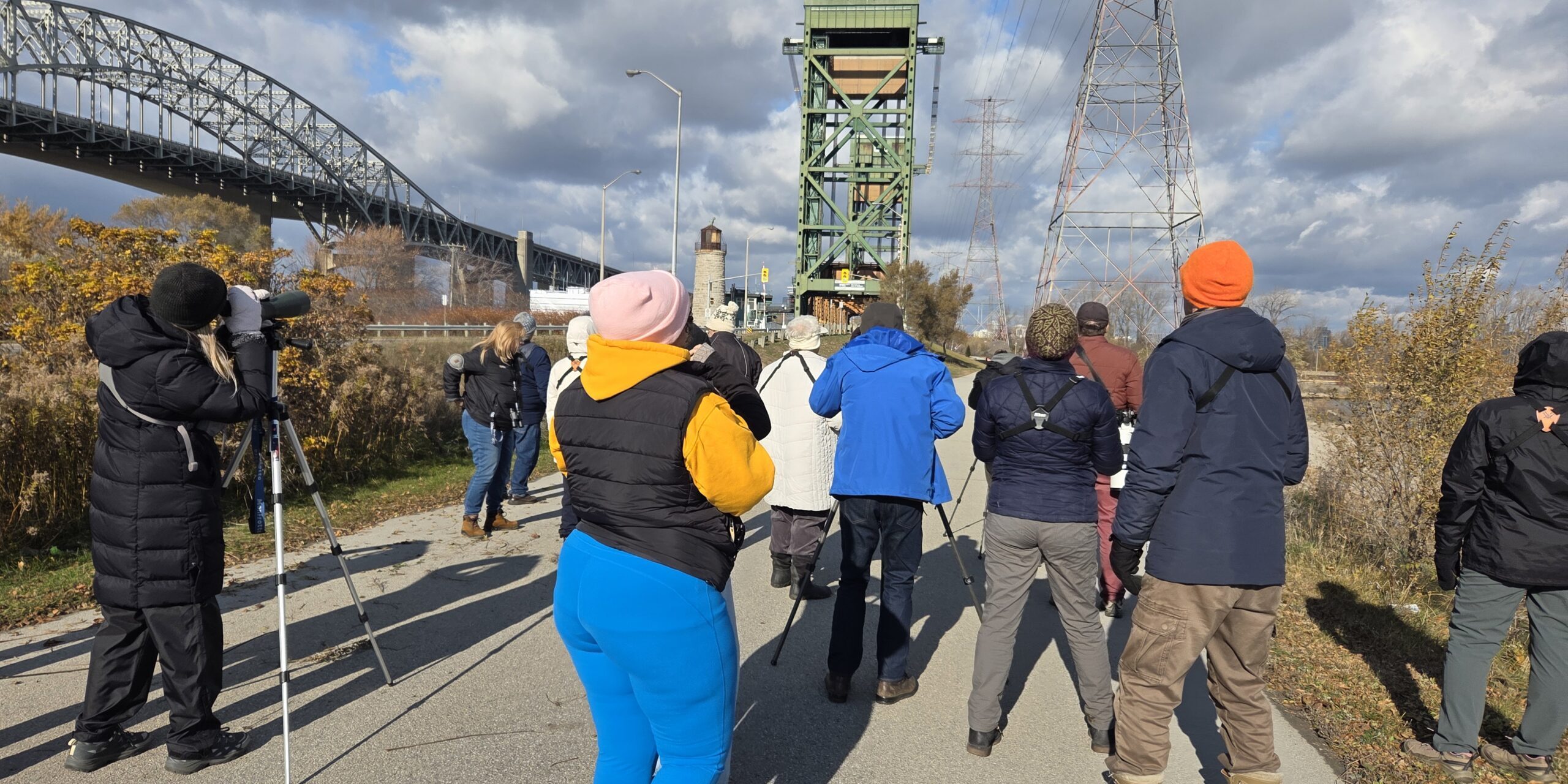
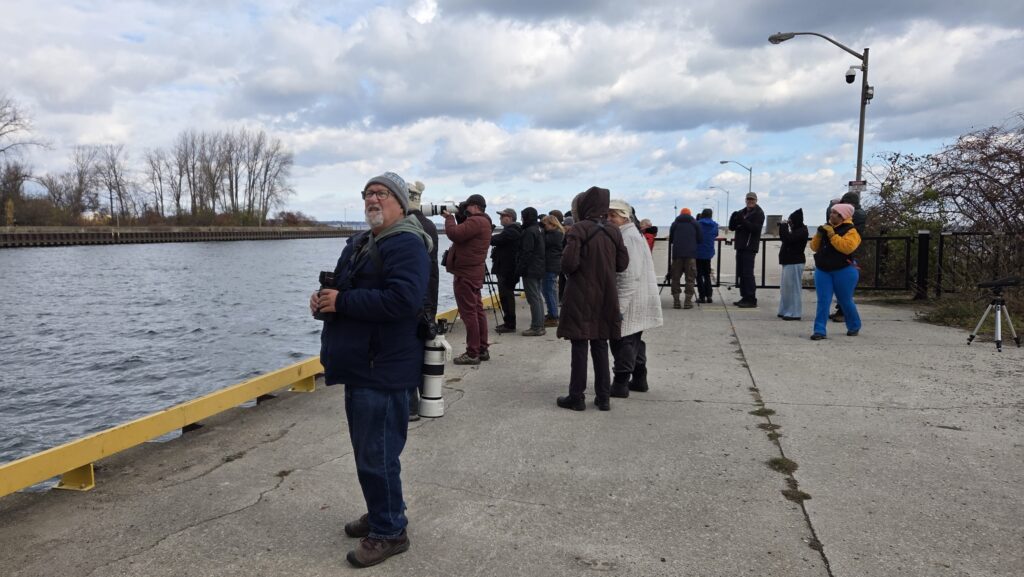
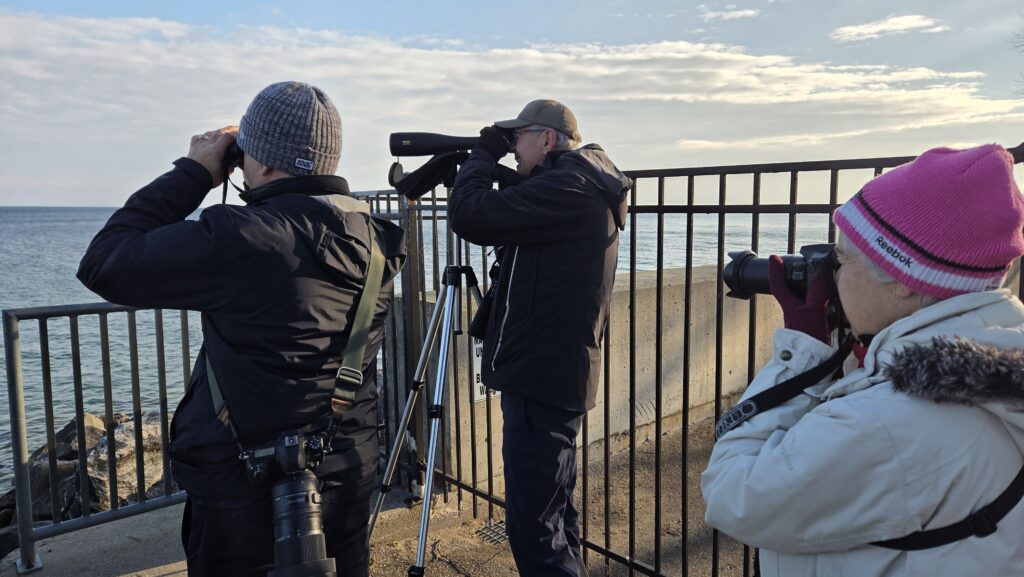
On a brisk autumn day (November 23, 2025), Nature Guelph’s Bird Wing volunteers organized an exciting birding expedition for its members, with 24 keen participants gathering to explore the waterfronts around Hamilton, Ontario. The group’s enthusiasm, paired with the variety of habitats visited, resulted in a memorable experience and an impressive tally of 53 different bird species, focusing particularly on waterfowl.
A Tour of Hamilton’s Waterfront
The day began at Van Wagner’s Beach in Hamilton, a well-known spot for observing waterfowl and other aquatic birds on Lake Ontario. The group’s itinerary included a total of seven key locations, each offering unique opportunities to witness birdlife in action:
- LaSalle Park/Marina, Burlington
- Burlington Ship Canal/Lift Bridge (Hamilton side), Hamilton
- Windermere Basin, Hamilton
- Beachfront in Stoney Creek
- Van Wagner’s Beach (Hutch’s), Hamilton
At each stop, participants enjoyed scanning the water and shoreline, making notes and sharing sightings as they went.

Highlights of the Day: Waterfowl Diversity
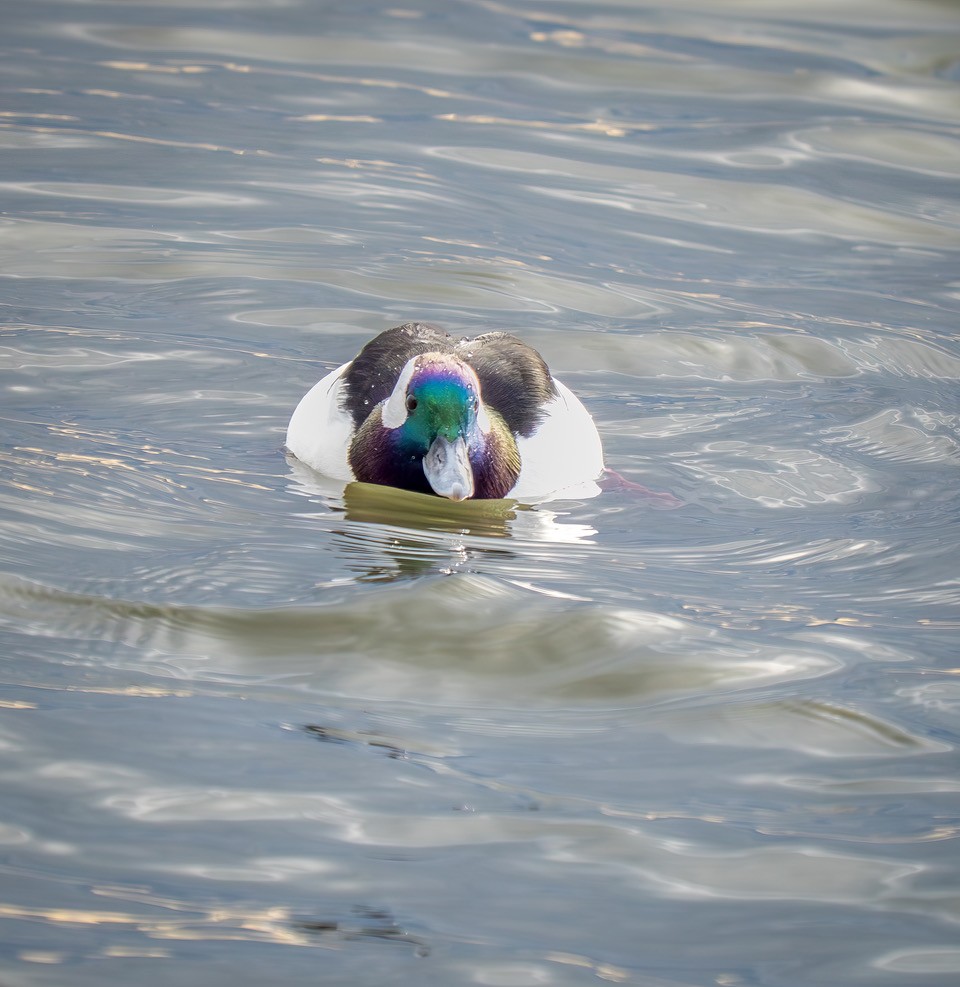
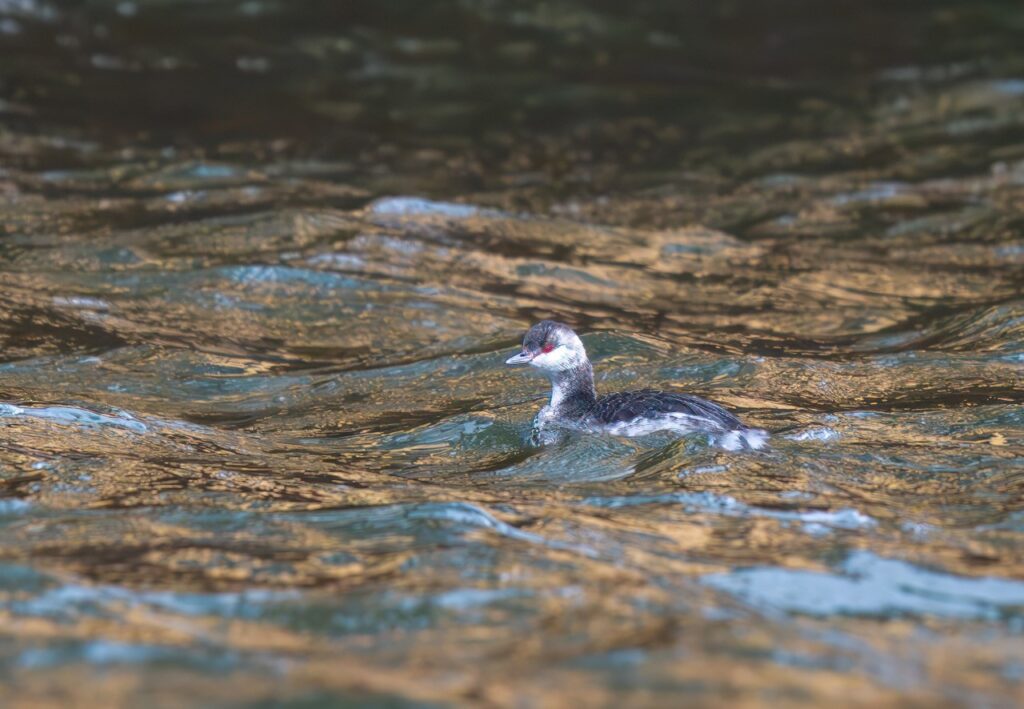
The group recorded an impressive list of waterfowl species including:
- Canada Goose
- Mute Swan, Trumpeter Swan, Tundra Swan
- Northern Shoveler, Gadwall, Mallard, American Black Duck
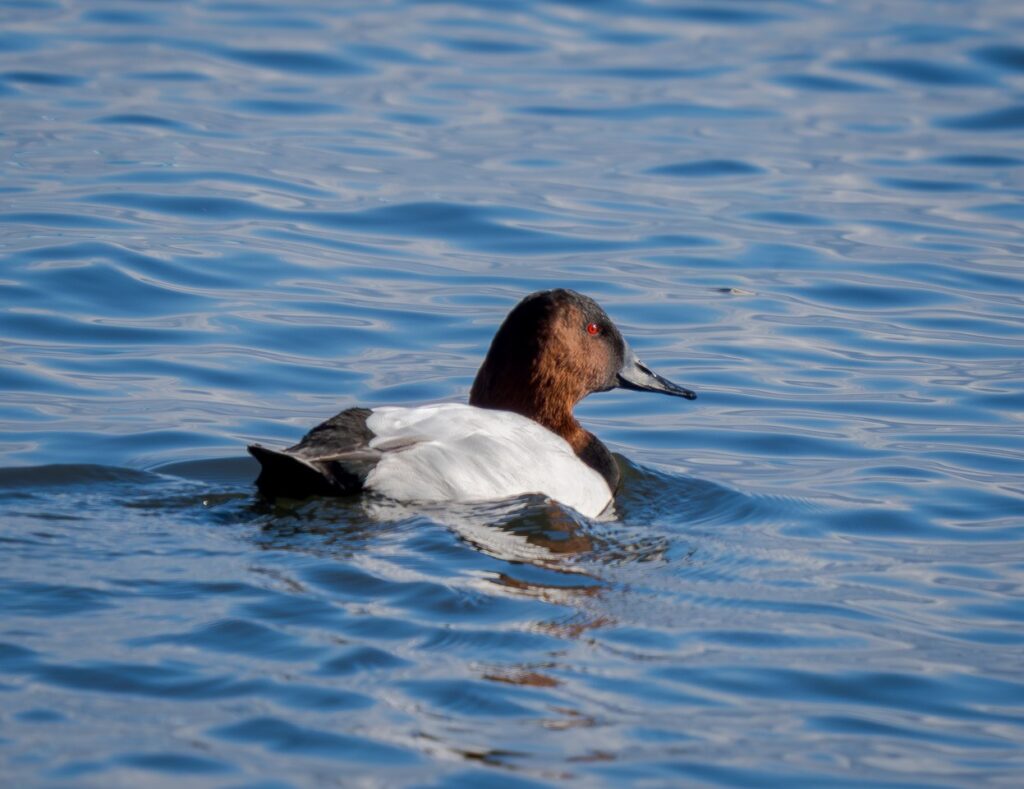
- Canvasback, Redhead, Greater Scaup, Lesser Scaup
- Surf Scoter, White-winged Scoter, Black Scoter
- Long-tailed Duck, Bufflehead, Common Goldeneye
- Hooded Merganser, Common Merganser, Red-breasted Merganser
- Ruddy Duck
- American Coot, Pied-billed Grebe, Horned Grebe
- Red-throated Loon, Double-crested Cormorant
Such a range of species reflects the importance of Hamilton’s waterfront habitats for migratory and resident birds alike. Many participants commented on the thrill of seeing less common species such as the Scoters and Long-tailed Duck, alongside the more familiar geese and swans.
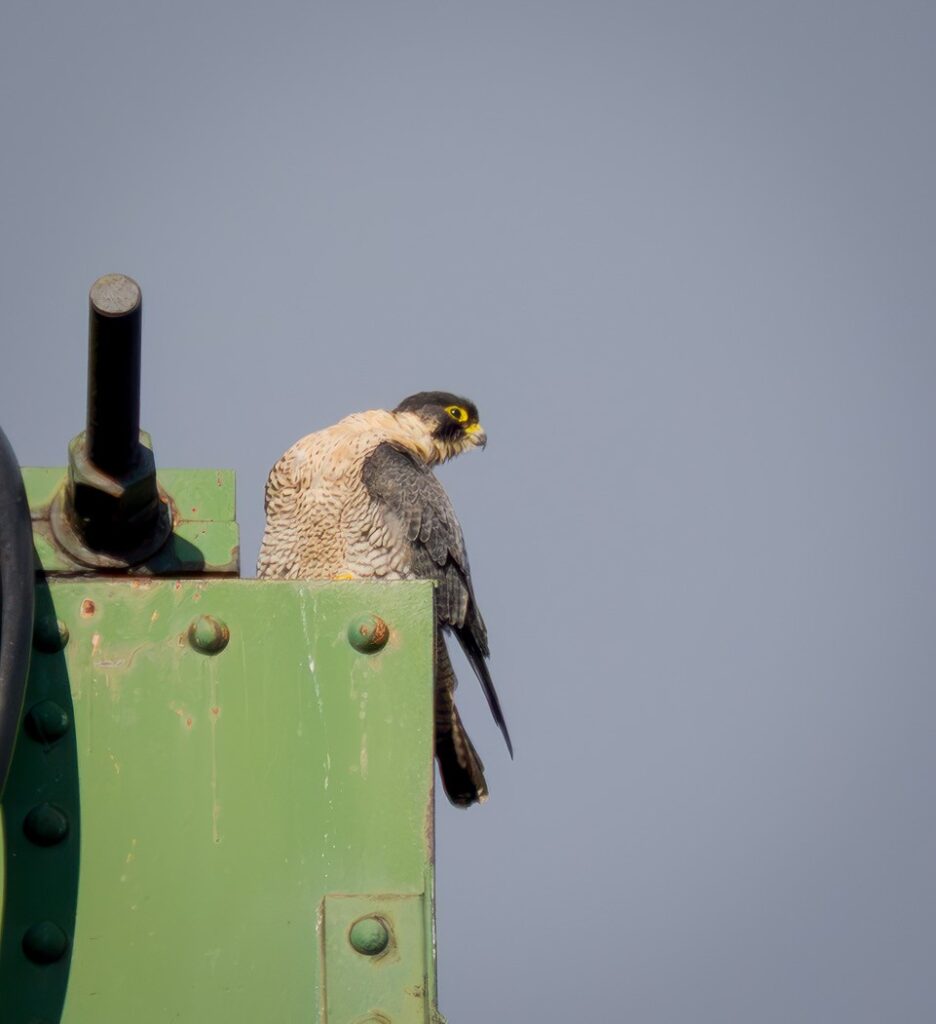
Environmental Education: Windermere Basin
A special moment unfolded at the Windermere Basin, where Nature Guelph member, Marilyn Baxter, shared insights into the site’s restoration. The area has undergone substantial remediation efforts to improve water quality and create suitable nesting habitat for species such as the Common Tern. This story offered the group a deeper appreciation of conservation initiatives and how they directly benefit local wildlife populations.
For the complete background check out this resource: https://www.hamilton.ca/home-neighbourhood/environmental-stewardship/our-harbour/completed-clean-harbour-projects#windermere-basin-restoration
Conclusion: Community, Discovery, and Conservation
The Nature Guelph outing was a resounding success, combining community engagement, citizen science, and environmental education. Birders not only enjoyed the challenge of identifying waterfowl but also learned about habitat restoration and its impact on biodiversity. Such experiences underscore the value of outdoor excursions in fostering a connection with nature and a commitment to conservation. With 53 species recorded and many memorable moments shared, this day of birding will surely inspire future outings and stewardship activities across the province.